How An Interior Design Consultancy Handles Color Psychology
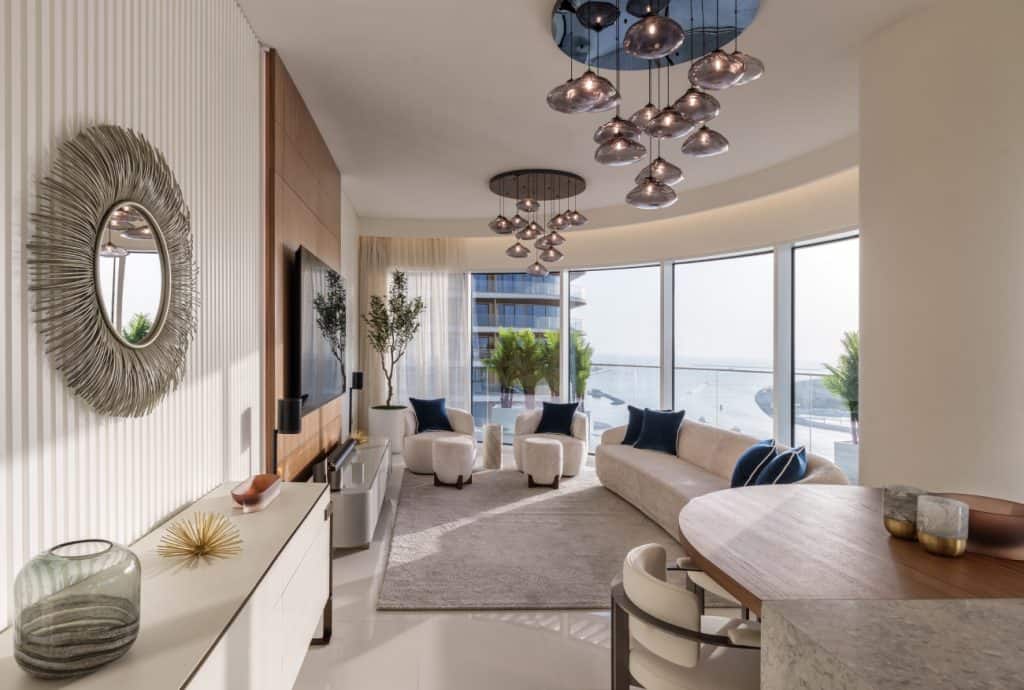
We are often tasked with creating spaces that are not only aesthetically pleasing, but also have a positive impact on the people who inhabit them. One of the most important tools we use to achieve this is understanding and implementing color psychology, a key skill for any interior design consultancy Dubai.
Here’s how we handle it:
The purpose of the space:
Interior designers always start by identifying how a space will be used. A living room may require warm, inviting tones that promote relaxation and social interaction, while a home office benefits from cooler, focused shades that support productivity. By aligning color choices with function, designers ensure that each space feels intentional and practical.
Applying the principles of color psychology:
Different colors evoke different emotional responses. Interior design consultancies use this knowledge to influence how a space feels:
- Blues and greens promote calmness and relaxation
- Reds and oranges create energy and warmth
- Neutral tones provide balance and versatility
By combining these colors thoughtfully, designers can shape the atmosphere of a room without overwhelming it.
Considering lighting and color interaction:
Lighting plays a major role in how colors appear. Natural daylight, warm indoor lighting, and cool LED lights can all change the perception of a color.
Designers test shades in different lighting conditions to ensure consistency. This prevents surprises, such as a color looking perfect in the showroom but completely different in your home.
Balancing personal preference and design expertise:
Every client brings their own tastes and cultural influences. A good consultancy doesn’t ignore these preferences. Instead, it refines them.
Designers guide clients toward choices that not only reflect their personality but also enhance the space emotionally and visually. This balance between personal style and professional insight is key to successful design.
Creating flow throughout the space:
Color decisions aren’t made in isolation. Interior designers ensure that colors transition smoothly from one room to another, creating a cohesive experience throughout the home.
Accent colors, textures, and materials are carefully coordinated so that the entire space feels connected rather than disjointed.